



101 Photo Spots on Lanzarote

Lanzarote is a volcanic masterpiece of the Canary Islands, offering a surreal landscape defined by stark lava fields and whitewashed architecture. Its unique blend of geological power and César Manrique’s artistic influence creates a visual experience unlike anywhere else on Earth.

latest contributors
Lev Levin Yo OBRI Marie Levillain Markus Linnemann Tom van Dutch

Tips for your trip to Lanzarote

About the location

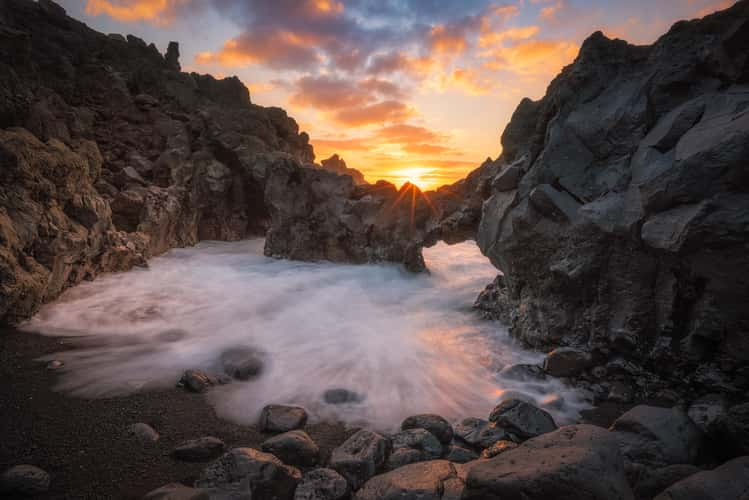
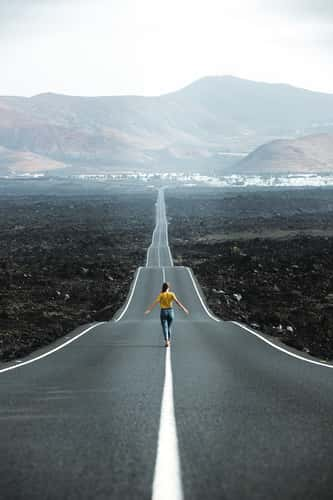
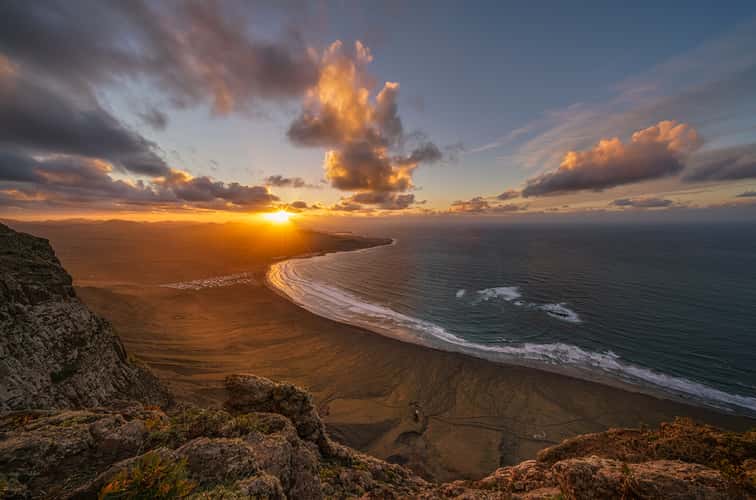
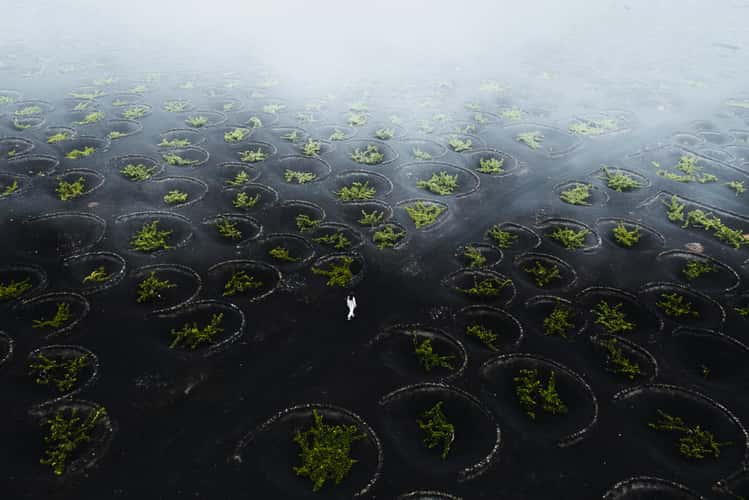
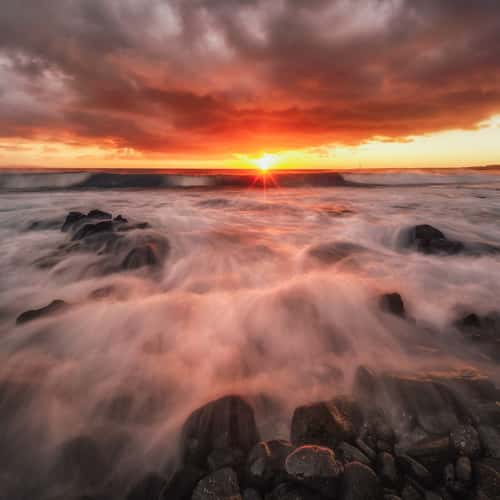
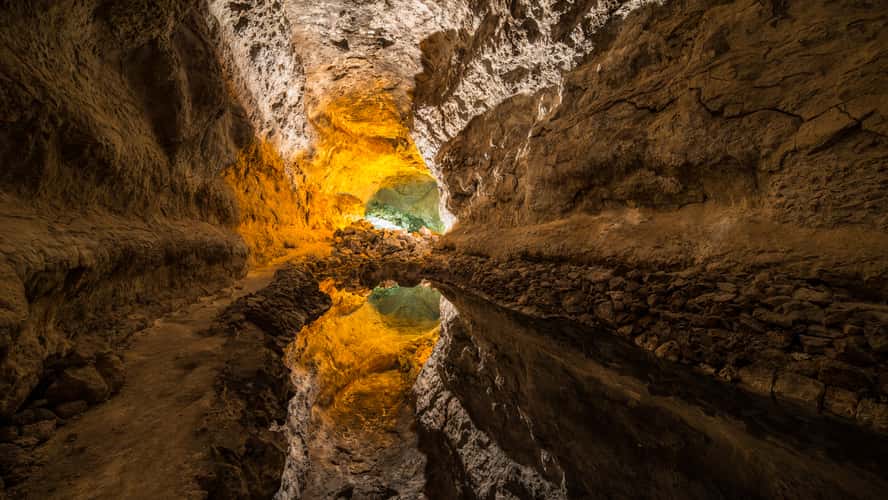
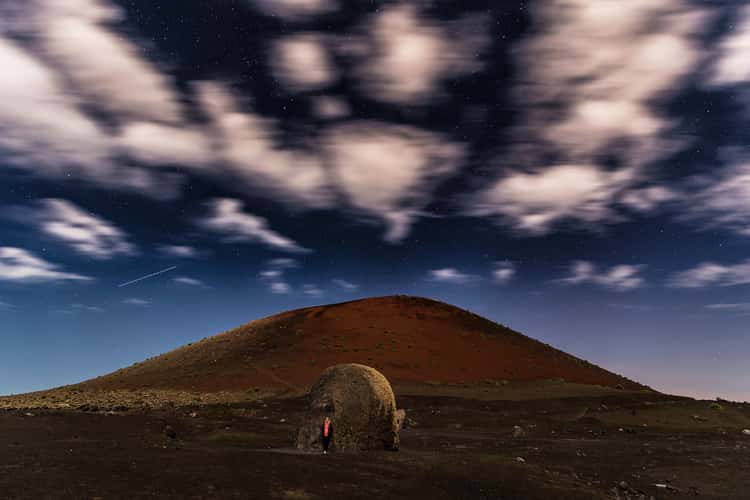
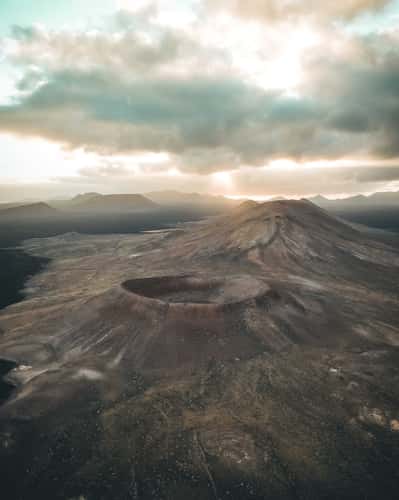
The island is dominated by the Timanfaya National Park, where the "Fire Mountains" showcase vibrant shades of red, ochre, and black. This terrain provides an otherworldly backdrop that feels more like the surface of Mars than a traditional holiday destination. Photographers are particularly drawn to the high contrast between the dark basaltic soil and the brilliant white villages, which are strictly regulated to maintain a cohesive aesthetic. Coastal locations like Los Hervideros offer dramatic opportunities to capture the Atlantic's power as it crashes into jagged lava tubes. Meanwhile, the region of La Geria features a unique form of viticulture where vines are planted in pits protected by stone walls, creating stunning geometric patterns. From the cliffs of Famara to the green lagoon of Charco de los Clicos, Lanzarote provides a diverse range of textures and colors for landscape and architectural photography.
Best timing

The best time for photography is during the spring (March to May) and autumn (September to November) when the light is crisp and the weather is most predictable. These periods offer the clearest skies, avoiding the intense haze of the summer "calima" wind while maintaining comfortable temperatures for long days in the field.

Golden hour is essential here, as the low sun emphasizes the craggy textures of the volcanic rock and enriches the warm tones of the soil. Winter also provides excellent conditions for those seeking dramatic skies and larger swells at the coast, though high winds may require a very sturdy tripod.

Traveling

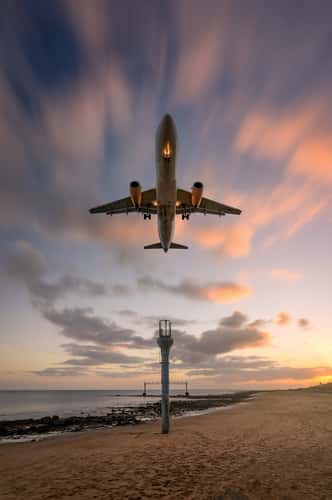
Travelers typically arrive via Arrecife Airport (ACE), which is well-connected to major European cities. Renting a car is the only practical way for photographers to explore the island, as many of the best viewpoints and natural features are remote and not served by frequent public transport. Most main roads are in excellent condition, though some spots like the Papagayo beaches require driving on unpaved gravel tracks. Parking is generally free and accessible at most major attractions and coastal spots.

Photography tips for Lanzarote

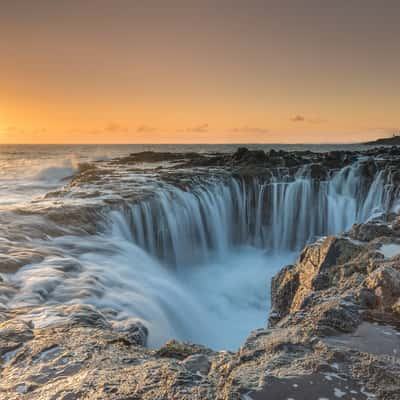
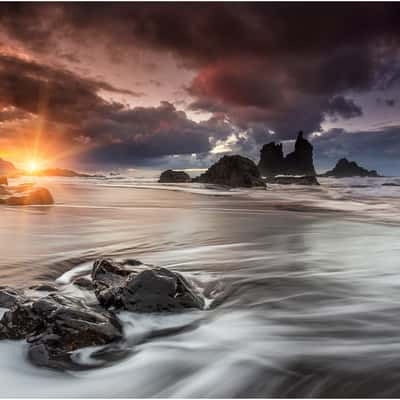
Utilize a circular polarizer to balance the intense contrast between the dark basalt rocks and the white surf or bright architecture. Capture the geometric patterns of the La Geria vineyards from an elevated perspective to showcase the unique stone windbreaks. Visit Los Hervideros for long-exposure seascapes using ND filters to blur the crashing waves against the volcanic caves. Don't overlook the cactus garden (Jardín de Cactus) for macro opportunities or the Mirador del Río for sweeping vistas of the neighboring island, La Graciosa. For Timanfaya, since you cannot walk freely, consider booking a specialized trekking tour in advance to get away from the bus routes.

Other languages

Here is how Lanzarote is called in other languages:
CS Lanzarote DE Lanzarote EL Λανθαρότε ES Lanzarote FI Lanzarote FR Lanzarote HI लांजारोते HR Lanzarote IS Lanzarote IT Lanzarote JA ランサローテ島 NL Lanzarote NO Lanzarote PL Lanzarote PT Lanzarote RU Лансароте SV Lanzarote TR Lanzarote ZH 兰萨罗特岛

Imprint & Contact © Locationscout 2026 Privacy / Terms